
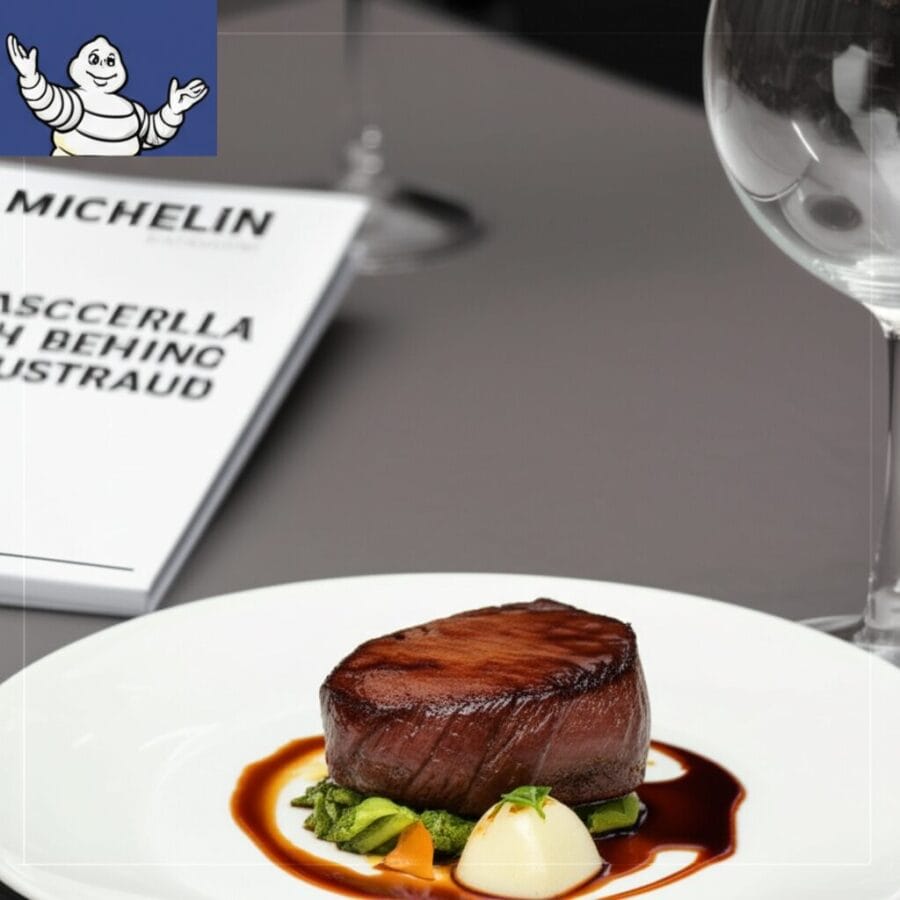
The Michelin Guide Australia has sparked a lot of curiosity and conversation in the food scene, especially among restaurant owners, chefs, and food lovers alike. Many people wonder why Australia, a country known for its vibrant dining culture, has yet to receive its own official Michelin Guide. Understanding the surprising truth behind the missing reviews requires delving into how the Michelin Guide works, as well as the current landscape of fine dining and restaurant ratings in Australia.
What Is the Michelin Guide Australia and Why Is It Missing?

The Michelin Guide is one of the most prestigious restaurant rating systems in the world. It originated in France over a century ago and has since expanded to cover major cities globally. Yet, despite Australia’s well-established and diverse culinary scene, the guide hasn’t officially arrived on its shores. This absence is often surprising to those familiar with Australia’s food culture.
The main reason for the missing Michelin Guide Australia is tied to Michelin’s current strategy and market focus. Michelin typically targets cities with a dense concentration of luxury hotels and heavy international tourism traffic. Cities like Paris, London, New York, and Tokyo fit this profile well. Although Australia boasts world-class chefs and eateries, it is geographically isolated, and the volume of international tourists who seek Michelin ratings here isn’t as high by comparison.
Moreover, Michelin places significant importance on local partnerships and infrastructure to support its inspectors. These partnerships help ensure the accuracy, consistency, and fairness of the guide. While Australia has some fine dining awards and reviews, it currently lacks such formal collaboration with Michelin, meaning the guide has yet to expand into Australian territories.
Understanding Restaurant Ratings Australia Without Michelin
While the Michelin Guide Australia might be missing, this doesn’t mean Australia’s restaurants lack recognition or ratings. Instead, the country has developed its own systems to celebrate excellence in food. The Good Food Guide, operated by the Sydney Morning Herald, is one such revered platform. It focuses on quality, experience, and consistency in Australian restaurants, serving as a trusted local barometer of dining excellence.
Australian chefs and restaurateurs often look to these local awards for validation and reputation building. The good thing about local restaurant ratings in Australia is that they understand the tastes and trends within the country better than an international guide would. These ratings typically evaluate a broader range of dining styles, from casual eateries to high-end cuisine, reflecting Australia’s diverse food culture.
Fine Dining Awards in Australia: Recognising Culinary Excellence
Fine dining awards in Australia have filled the gap left by Michelin Guide Australia in many ways. Events like the Australian Good Food Guide Awards, Gourmet Traveller Restaurant Awards, and the National Restaurant & Menu Awards highlight and celebrate outstanding culinary talent throughout the country.
These awards shine a light on restaurants that deliver exceptional dining experiences and invite food enthusiasts to explore new favourites. Winning such awards can dramatically boost a restaurant’s profile and business, much like earning a Michelin star does in other countries.
The criteria for these awards often include aspects such as food quality, creativity, service, ambience, and sustainability, which align with the values Michelin upholds. This shows that even without Michelin’s presence, Australia’s fine dining scene maintains high standards and continues to evolve.
Why the Gap Might Close: Michelin’s Future in Australia
There are ongoing discussions within the culinary world about whether the Michelin Guide Australia could eventually launch. Some believe the country’s reputation as a gourmet destination, combined with its growing international appeal, makes it an ideal candidate for Michelin’s next steps.
For Michelin to come to Australia, certain conditions would likely need to be met. Increased international tourism, more luxury accommodations, and perhaps a formal invitation or partnership with local tourism bodies might all play a role. It’s also possible that as Michelin broadens its criteria and explores new markets, Australia’s culinary reputation will push it onto the radar.
Until that happens, Australian restaurants can continue to leverage local restaurant ratings and fine dining awards to gain recognition, grow their reputation, and serve amazing food to both locals and visitors.
What This Means for Food Lovers in Australia
For everyday food enthusiasts, the lack of a Michelin Guide Australia doesn’t mean missing out on quality dining experiences. Australian chefs are creating innovative, delicious dishes with fresh, local ingredients and global influence. Plenty of eateries have earned international acclaim through other avenues, like winning international cooking competitions or gaining praise in travel and food publications.
Exploring the best spots in Australia requires relying on trusted local sources and fine dining awards. These resources offer reliable, detailed insights into the best places to eat, uncovering hidden gems and world-class dining experiences alike. For travellers, it’s an opportunity to enjoy food at its best without being constrained by the Michelin rankings.
Practical Tips for Navigating Restaurant Ratings Australia
If you want to make the most of what Australia’s restaurant scene has to offer, here are some practical tips:
- Follow Australian food critics and reputable food publications like Gourmet Traveller and The Sydney Morning Herald.
- Check out local awards and guides to find top-rated spots and new openings.
- Don’t hesitate to ask chefs or restaurant staff about their background and accolades—they can often tell you about their journey and notable recognitions.
- Attend food festivals and tasting events where you can sample high-quality dishes without the Michelin seal but with undeniable craftsmanship.
- Explore a variety of cuisines and dining styles; Australia’s multicultural environment means every visit is a chance to discover something new.
Final Thoughts: Appreciating Australia’s Unique Food Scene
The absence of Michelin Guide Australia may seem like a missing piece in the global food puzzle, but it doesn’t diminish the country’s food achievements. Instead, it highlights how Australia’s culinary scene stands on its own, shaped by local tastes, talent, and awards that reflect the country’s unique culture.
The ongoing success of restaurant ratings Australia and fine dining awards proves that Australia’s chefs and restaurants don’t need a Michelin star to shine. For food lovers, it’s a reminder to celebrate the rich and diverse dining options available and to appreciate the passion of those who make Australia’s culinary landscape exciting and vibrant.

Leave a Reply